





Rory McIlroy reacts to LIV Golf’s return to 72 holes
🎧 Listen to podcast: Rory McIlroy phản ứng khi LIV Golf nâng lên 72 hố
Duration: 2:39 • Source: Golfcasts.com
Fans jokingly dubbed it “Golf but Longer,” poking fun at LIV’s earlier insistence that a shorter 54-hole format was the key to appealing to a younger audience. But behind what seems like a technical change lies a far more strategic motive — a calculated move toward regaining recognition from the Official World Golf Ranking (OWGR) and positioning itself once again within the traditional framework of professional golf.
1. Rory McIlroy and one very accurate statement
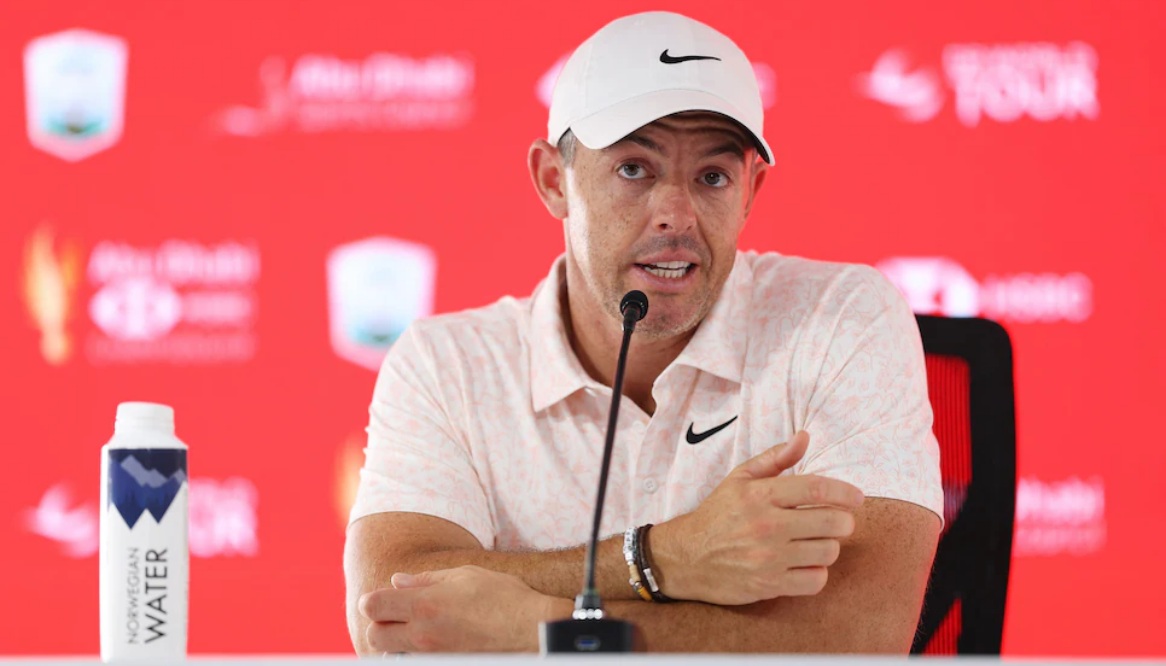
Speaking at a press conference in Abu Dhabi this week, Rory McIlroy, the reigning Masters champion, said he found LIV’s move “a bit odd.”
In his words:
“They could have gotten world ranking points with three rounds. Three versus four rounds isn’t what’s holding them back.”
That remark may have been the sharpest observation of the week. McIlroy hit the nail on the head: LIV’s problem isn’t the length of its tournaments — it’s the structure and principles that govern them.
OWGR’s rejection of LIV wasn’t based on the 54-hole format but on fundamental issues such as:
No-cut format, which reduces competitive pressure; A hybrid team-and-individual structure, blurring the independence of play; And most importantly, the lack of an open pathway — no clear route for new players to earn promotion without being invited.
So while 72 holes may look like an improvement, it doesn’t address the real issue at hand.
2. A move of “soft politics”
From a strategic standpoint, this is clearly more of a diplomatic gesture than a sporting necessity. By returning to the traditional 72-hole model, LIV Golf is signaling that it no longer wants to be seen as a disruptor, but rather as a participant in the established system.
That message is particularly significant as negotiations between the Saudi Public Investment Fund (PIF) and the PGA Tour continue. This “traditionalization” helps LIV rebuild goodwill among governing bodies, sponsors, and neutral fans — many of whom have grown weary of the three-year standoff between the PGA Tour and LIV Golf.
In other words, 72 holes serve as a public-relations tool — a diplomatic ticket to show that LIV is willing to comply with global standards if it means being accepted.
3. McIlroy: From confrontation to pragmatism
What’s striking this time is how measured and calm McIlroy’s tone has become. Gone is the fiery rhetoric of 2022–2023; instead, he speaks like someone tired of the feud, yet still grounded in realism — believing that OWGR points no longer carry the same weight.
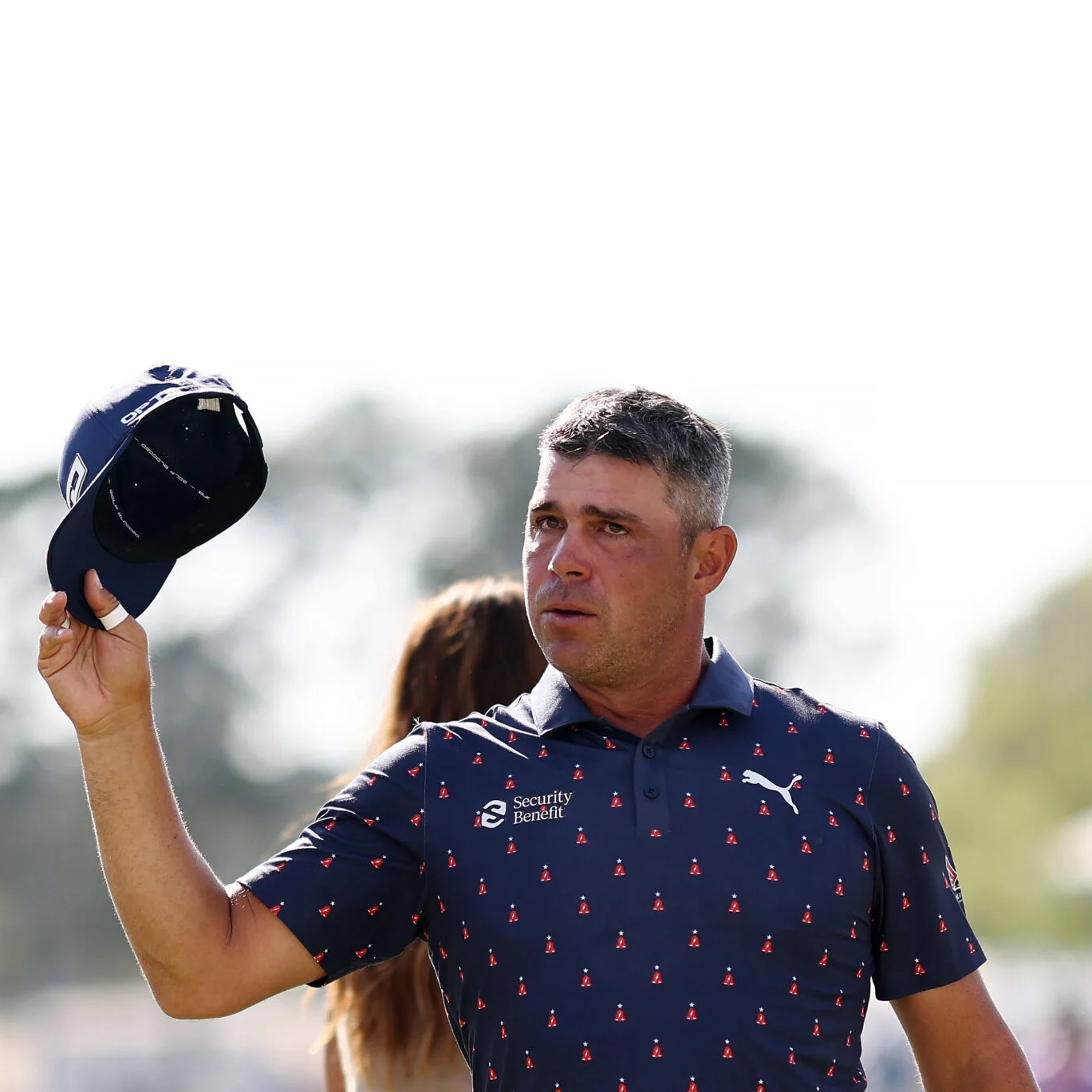
McIlroy’s logic is sound: even if LIV gains OWGR recognition, its players are unlikely to climb back into the top ranks quickly. Because OWGR operates on a two-year rolling window, those who’ve gone without points for long stretches are almost impossible to catch up. At present, Bryson DeChambeau remains World No. 23 thanks to his U.S. Open record, but Brooks Koepka — once a top-10 player — has fallen all the way to No. 229. So even if LIV earns OWGR status in 2026, would they recover? Probably not.
McIlroy understands that.
“I don’t think OWGR points matter that much to them anymore,” he said.
4. Golf is entering an era of restructuring
The bigger picture is that both sides — LIV and the PGA Tour — are beginning to realize that golf cannot remain divided forever. One side too traditional, the other too radical. If golf truly wants to thrive as a global sport, it must find a balance between heritage and innovation. LIV Golf may no longer be the “rebel,” but rather the experimenter — testing new formats, technology, and ways to engage audiences.
Meanwhile, the PGA Tour, despite its dominance, has been forced to evolve — seen in ventures like TGL (the Tiger–Rory Golf League) and more entertainment-driven events. All signs suggest that golf is reinventing itself — modernizing without losing its competitive soul.
5. 18 more holes — or a new chapter for world golf
In the long run, LIV Golf’s shift to 72 holes isn’t just a rule change; it’s a gesture toward reconciliation. Golf needs rivalry, yes — but it also needs unity. Perhaps, in a few years, as boundaries blur, the sport will find itself under a shared ecosystem — where the PGA Tour, LIV Golf, and the DP World Tour coexist in a new equilibrium.
As Rory McIlroy put it, “This is no longer about three or four rounds.” It’s about values, credibility, and the direction of golf’s future.
LIV Golf may be “longer” now, but what it truly needs isn’t more holes — it’s more trust: from the community, from fans, and even from those who once saw it as an outsider. Because only when golf preserves integrity and transparency will any change — 54 or 72 holes — truly matter.



Comments
You must be logged in to comment.